Thoracic Catheter About
AThoracic Catheter (chest drain, chest tube,tube thoracostomy, orintercostal drain) is a flexible plastic tube that is inserted through the chest wall and into thepleural spaceormediastinum. It is used to remove air (pneumothorax) or fluid (pleural effusion,blood,chyle), or pus (empyema) from the intrathoracic space. It is also known as drainor an intercostal catheter.
Features:
- Thoracic Drainage Catheters are most suitable for post-operative drainage after cardio-thoracic and thoracic surgery.
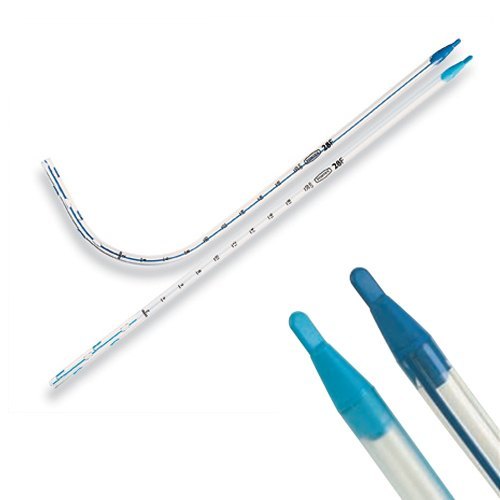
- Distal end is open with super smooth large eyes to maximise the drainage from the chest. Proximal end is fitted with specially designed tapered tongue to provide excellent forceps grip and non-traumatic insertion.
- Catheters are marked at every 2 cm from the last Eye to ascertain the depth of placement.
- Packed with matching size loose connector which facilitates easy connection to drainage system.
- Size Available: FG 10, 12, 16, 20, 24, 28, 32, 36, 40
- Packing: Poly Pack, 20/Box, 200/Carton
Efficient Drainage, Enhanced SafetyDesigned for reliability, this thoracic catheter ensures effective removal of air, blood, or fluid from the pleural cavity. The smooth, rounded, closed distal end with multiple lateral eyes promotes atraumatic insertion and maximizes drainage, making it suitable for diverse clinical situations. Its universal female connector ensures a secure fit with various drainage systems, supporting smooth operations in emergency and routine care.
Superior Visualization and IdentificationA built-in radiopaque line allows for simple, precise catheter positioning under X-ray, reducing procedural risks. The color-coded system provides quick and easy identification of size, streamlining workflow and enhancing accuracy when selecting the appropriate catheter for each patient-whether pediatric or adult.
Sterile, Single-Use, and Latex-FreeEvery catheter is ethylene oxide (EO) sterilized, individually packed, and guaranteed latex-free, minimizing infection risk and preventing latex-related allergies. The device is single-use and disposable, supporting infection control protocols and ensuring optimal patient safety in varied medical settings.
FAQ's of Thoracic Catheter:
Q: How does the radiopaque line benefit the use of this thoracic catheter?
A: The radiopaque line makes the catheter visible under X-ray, which assists healthcare professionals in confirming accurate placement within the pleural cavity, improving patient safety and procedural success.
Q: What process is used to ensure the sterility of the catheter?
A: The catheter is sterilized using Ethylene Oxide (EO), ensuring each device is safe for use right out of its individually sterile pack, reducing the risk of infection.
Q: When should this thoracic catheter be used?
A: It is used for thoracic drainage procedures, such as the removal of air, fluid, or blood from the pleural space in cases of pneumothorax, hemothorax, or pleural effusion.
Q: Where can this catheter be utilized?
A: This device is suitable for use in hospitals, clinics, and emergency care settings, and can be safely used in adults or pediatric patients depending on the selected size.
Q: What are the benefits of the rounded, closed distal end with multiple lateral eyes?
A: This design minimizes tissue trauma during insertion and optimizes drainage by allowing fluids to flow easily into the tube, enhancing patient comfort and procedure outcomes.
Q: How is the size of the catheter selected?
A: The catheter is available in various sizes (10 Fr to 36 Fr) and is color coded, allowing healthcare teams to quickly identify and select the appropriate size for each patient's needs.
Q: Is the catheter reusable or designed for a single use?
A: This thoracic catheter is intended strictly for single use; it should be disposed of after one procedure to maintain safety and infection control standards.

 Send Inquiry




 Send Inquiry


 Send Inquiry


