Nasopharyngeal Airway About
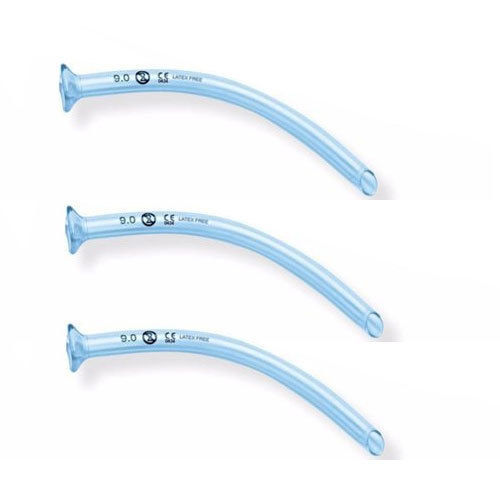
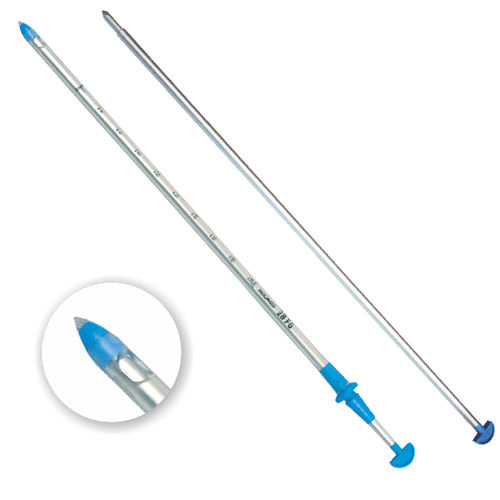
In medicine, a nasopharyngeal airway, also known as an NPA, nasal trumpet (because of its flared ), or nose hose, a type of airway adjunct, is a tube that is designed to be inserted into the nasal passageway to secure an open airway. When a patient becomes unconscious, the muscles in the jaw commonly relax and can allow the tongue to slide back and obstruct the airway. This makes airway management necessary, and an NPA is one of the available tools. The purpose of the flared is to prevent the device from becoming lost inside the patient nose.
Features:
- Suitable for suctioning in I.C.Us & provide an alternative way when oropharyngeal airway is occluded.
- Made of Medical Grade PVC readily conforms to the nasopharyngeal anatomy.
- Thin wall construction provides maximum inner diameter.
- Interior walls with channel grooves, facilitate easy insertion of catheter.
- Specially designed bevel tip reduces mucosal trauma during insertion.
- Individually packed in peelable pack.
- Sterile ready for use.
- Size Available : 6.5, 7, 7.5, 8, 8.5
- Material Used : Medical Grade PVC
Optimal Airway Management Across Patient GroupsThis nasopharyngeal airway is suitable for a wide range of patients, from pediatric to adult, thanks to multiple size options. Its soft, flexible PVC material offers gentle, atraumatic insertion, making it ideal for maintaining an open airway passage during emergencies or routine procedures.
Sterile, Safe, and Ready for Immediate UseEach device comes EO sterilized and individually packed, ensuring highest standards of hygiene and safety. The latex-free construction minimizes allergic reactions, making it a reliable solution for sensitive patients. With a five-year shelf life, the airway is always prepared for quick deployment.
Designed for Efficient Emergency ResponseLightweight and portable, this airway is tailored for swift action in hospitals, clinics, and field emergencies. Its silent manual operation guarantees real-time utility without additional equipment, while the clearly colored material ensures fast identification and application.
FAQ's of Nasopharyngeal Airway:
Q: How do I select the appropriate size of nasopharyngeal airway for a patient?
A: The airway is available in sizes with outer diameters between 6.0mm and 9.0mm, suitable for both adults and children. Selection should be based on the patient's age and anatomy; the correct size ensures effective airway patency and reduces discomfort during insertion.
Q: What is the recommended process for inserting the nasopharyngeal airway?
A: Atraumatic insertion is facilitated by the rounded tip, bevelled end, and soft flexible design. Lubricate the airway, gently insert it through the nostril with manual operation until the flange rests against the nostril, ensuring the airway passage remains open without causing trauma.
Q: When should the nasopharyngeal airway be used in clinical practice?
A: This device is ideal for situations where oral airway management is not possible, such as during seizures, facial trauma, or unconsciousness. It's suited for hospital, clinic, and emergency settings where immediate airway patency is required.
Q: Where should the nasopharyngeal airway be stored to preserve sterility and shelf life?
A: Store the airway in its individual packaging within a cool, dry place away from sunlight. Proper storage maintains sterility, integrity, and maximizes the five-year shelf life.
Q: What benefits does the latex-free, EO sterilized design provide?
A: Latex-free materials eliminate the risk of allergic reactions, while EO sterilization ensures a contaminant-free device. Together, these features enhance patient safety and minimize complications during airway management.
Q: Is this nasopharyngeal airway reusable, and can it be used for multiple patients?
A: No, the airway is intended for single use only. It should not be reused or reprocessed, ensuring each patient receives a sterile, uncontaminated instrument during treatment.
Q: Are there additional features that improve comfort or effectiveness during application?
A: Yes, the device's soft PVC build, rounded tip, and bevelled end enable smooth, atraumatic placement. These design elements help minimize patient discomfort and ensure effective airway clearance.

 Send Inquiry



 Send Inquiry


 Send Inquiry


