Infant Feeding Tubes About
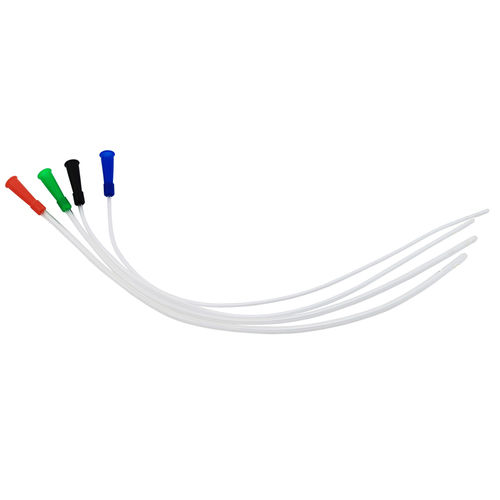
A feeding tube, also known as a gavage tube, is used to give nutrition to infants who cannot eat on their own. The feeding tube is normally used in a hospital, but it can also be used in a home to feed infants. The tube can also be used to give medication to an infant. The feeding tube can be inserted and then removed for each feeding. Alternately it can be an indwelling feeding tube, which means it remains in the infant for multiple feedings. The feeding tube can be used to administer both breast milk and formula.
Features:
Used for neonates and Paediatric feeding
Smooth coned distal end for atraumatic intubation, with two lateral eyes for efficient drainage
Markings at 20cm and radio opaque line for accurate placement and X-ray visualization
Proximal end with luer mount for connection with feeding device
Marking from the tip 5 cm to 40 cm
- Application: Gastro-Enterology
- Size Available: 5 FG to 20 FG
- Material Used: Medical Grade PVC
Precision and Safety for Neonates and InfantsOur infant feeding tube incorporates a radiopaque line, ensuring clear X-ray visibility for optimal placement accuracy. The tube's graduated external markings provide caregivers with precise depth control, tailored for use in neonatal and infant care settings. Each unit is individually blister-packed and EO-sterilized, reducing the risk of infection and contamination during clinical application.
Atraumatic, Comfortable Feeding ExperienceDesigned with a smooth, atraumatic tip and transparent body, the feeding tube minimizes tissue trauma and discomfort during insertion. The multiple lateral eyes at the closed distal end facilitate gentle, even distribution of feeds or medicines, making enteral support safer and more comfortable for vulnerable patients.
FAQ's of Infant Feeding Tubes:
Q: How is the infant feeding tube inserted and positioned correctly?
A: The tube should be gently inserted through the infant's nostril or mouth into the stomach, following medical protocols. Graduated markings and the radiopaque line enable healthcare professionals to determine accurate placement, confirmed with an X-ray if necessary.
Q: What benefits does the color-coded connector offer?
A: The color-coded connector allows for instant identification of tube size, reducing the chance of misconnection and enabling rapid selection during time-sensitive procedures.
Q: When should a feeding tube be used for an infant?
A: A feeding tube is used when an infant is unable to suck or swallow effectively due to prematurity, illness, or post-surgical recovery, ensuring vital nutrition or medication is safely delivered.
Q: Where can these tubes be used?
A: Infant feeding tubes are suitable for hospitals, neonatal intensive care units, pediatric wards, and clinics specializing in infant and neonatal care.
Q: What is the process for disposal after single use?
A: After use, the disposable tube should be safely discarded according to hospital's medical waste disposal protocols to maintain hygiene and prevent cross-contamination.
Q: How does the radiopaque line enhance patient safety?
A: The integrated radiopaque line makes the tube visible under X-ray imaging, enabling doctors to confirm precise placement and thereby prevent misplacement or complications.
Q: What makes this feeding tube suitable for sensitive patients?
A: Its smooth, flexible, DEHP-free design, along with a closed, rounded tip and latex-free material, provides a gentle and hypoallergenic option for neonates and infants.

 Send Inquiry




 Send Inquiry


 Send Inquiry


