Ryles Tubes About
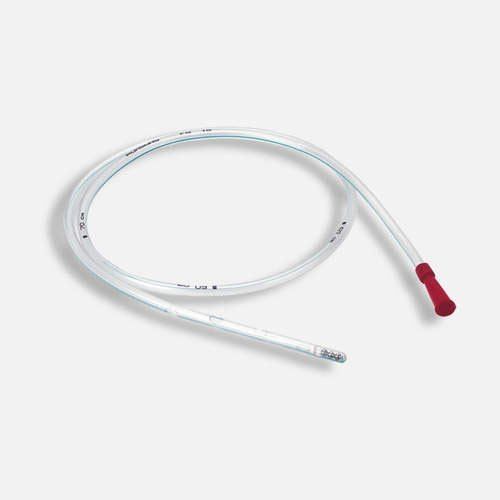
A Ryles Tube is a narrow bore tube passed into the stomach via the nose. It is used for short- or medium-term nutritional support, and also for aspiration of stomach contents eg, for decompression of intestinal obstruction.
Features:
For Nasogastric introduction for nutrition and aspiration of intestinal secretion.
Soft and kink resistant tubing with frosted surface.
Closed distal end with metallic balls sealed into the tube to assist the passage of tube during intubations
Four lateral eyes for aspiration and administration
Tube with radio- opaque line for x-ray visualization
Marking 50, 60, 70 cms from the tip for accurate placement.
Length 105 cms
Color-Coded Ease of UseWith color-coded connectors, healthcare professionals can swiftly identify the correct tube size, streamlining bedside procedures and reducing errors. Sizes are available from 8 Fr to 16 Fr, catering to diverse patient needs. The incorporation of graduated markings ensures accurate adjustment during placement, optimizing patient safety and procedural efficiency.
Patient Comfort and SafetyDesigned with a soft, rounded tip and smooth surface, these nasogastric tubes significantly minimize trauma during insertion. The latex-free, polished PVC construction addresses allergy concerns, and multiple side eyes enhance effective gastric drainage. ETO sterilization and sterile peel-open packaging uphold the highest standards of infection control.
Precise Placement and MonitoringThe integrated radiopaque line provides reliable X-ray visibility, ensuring that the Ryles Tube is correctly positioned inside the patient. Universal funnel connectors guarantee compatibility with standard feeding pumps, making these tubes suitable for both feeding and aspiration processes. Their disposable nature supports stringent hygiene requirements in medical settings.
FAQ's of Ryles Tubes:
Q: How is the correct size of the Ryles Tube identified during use?
A: The Ryles Tube offers color-coded connectors, making it easy to instantly recognize and select the appropriate size (ranging from 8 Fr to 16 Fr), helping prevent confusion or incorrect insertion.
Q: What is the recommended insertion method for these nasogastric tubes?
A: These tubes are designed for transnasal insertion, supported by a soft, atraumatic rounded tip that provides patient comfort and smooth passage through the nasal cavity.
Q: When should a Ryles Tube be replaced or disposed of?
A: Ryles Tubes are intended for single-use and should be disposed of after every procedure to maintain hygiene. Each sterile pack has an expiration date of 3-5 years from manufacturing for safe storage.
Q: Where does the radiopaque line offer benefits during tube placement?
A: The embedded radiopaque line enables clinicians to confirm accurate tube placement under X-ray imaging, minimizing the risk of misplacement and subsequent complications.
Q: What steps are involved in ensuring a sterile and safe Ryles Tube for patient use?
A: Each tube is ETO sterilized, individually packed in a sterile, peel-open pouch, and manufactured from latex-free medical-grade PVC, ensuring reliable patient safety.
Q: How does the universal connector improve clinical workflow?
A: The universal funnel connector design simplifies compatibility with standard feeding pumps and accessories, reducing the need for adaptors and boosting procedural efficiency.
Q: What are the practical benefits of using Ryles Tubes for medical staff and patients?
A: Ryles Tubes streamline gastric decompression, feeding, and lavage with user-friendly features like depth markings, rounded tips, and color coding, ensuring safe, efficient, and comfortable procedures.

 Send Inquiry



 Send Inquiry


 Send Inquiry


