PTCA Balloons Catheter About
Treatment of Cardiovascular diseases is a rewarding and constantly developing discipline where success is linked to focus and constant attention for details to ensure the best results are achieved.
The same attention for details and the same drive for results enable. We provide new technologies to be incorporated in to our catheters.
PTCA Balloon Catheters are available in:
-Standard
-Non-Compliance
-CTO (Chronic Total Occlusion)
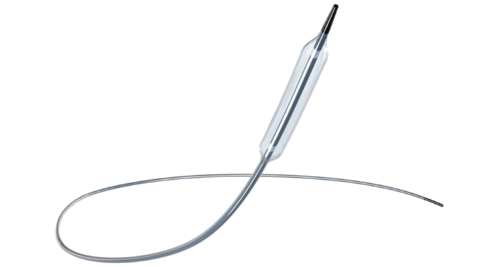
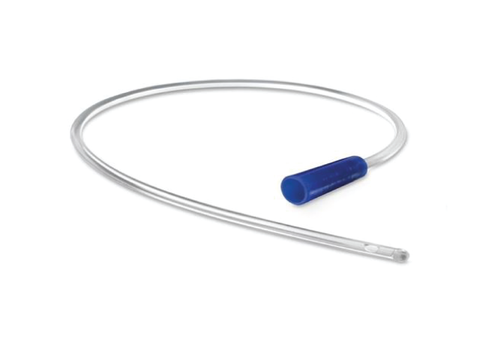
Precision Dilation for Coronary AngioplastyThis PTCA Balloons Catheter is crafted for safe and precise coronary artery dilation, addressing complex stenoses with non-compliant and semi-compliant balloon options. Its advanced balloon dilation technology and atraumatic tip design promote smooth vessel entry while minimizing trauma and maximizing placement accuracy.
Features that Enhance Performance and SafetyEquipped with two radiopaque marker bands, the catheter offers excellent visibility during fluoroscopic guidance. The combination of high-pressure tolerance, flexible medical-grade polymer construction, and smooth finish ensures optimal performance in demanding cardiovascular interventions.
User-Centered Design for Medical ProfessionalsWith a low-profile insertion design and compatibility with 0.014" guidewires, the catheter is easy to navigate through intricate vasculature. It is packaged sterile in a peel-open pouch, color coded for size identification, latex-free, and intended for single-use to uphold stringent safety standards.
FAQ's of PTCA Balloons Catheter:
Q: How is the PTCA Balloons Catheter used in coronary angioplasty?
A: The catheter is introduced into the coronary artery and navigated to the site of stenosis using a compatible 0.014" guidewire. The balloon is then inflated to dilate the narrowed artery, improving blood flow. The procedure is typically guided by fluoroscopy, aided by the catheter's dual radiopaque markers.
Q: What are the benefits of non-compliant and semi-compliant balloon options?
A: Non-compliant balloons provide precise, predictable expansion under high pressure, ideal for resistant lesions. Semi-compliant balloons offer a slight degree of flexibility, making them suitable for lesions requiring a more adaptable approach. Both options ensure tailored treatment based on lesion characteristics.
Q: When should the PTCA Balloons Catheter be replaced or disposed of?
A: This catheter is a single-use, disposable device intended for one-time use only. It should be safely discarded following the procedure according to hospital or institutional protocols, and never reused to prevent risk of infection or device failure.
Q: Where is the PTCA Balloons Catheter typically stored and what is its shelf life?
A: The catheter comes in a sterile, peel-open pouch and should be stored in a clean, dry environment away from direct sunlight. Its shelf life is 3 years when unopened and kept under recommended storage conditions.
Q: What technology and materials are used to ensure safety during procedures?
A: The catheter uses advanced balloon dilation technology with nylon or polyester balloon material for robust performance. Medical-grade polymers and EO sterilization minimize patient risk, while a latex-free design and smooth, atraumatic tip help reduce complications.
Q: How does the atraumatic tapered tip and radiopaque marker bands enhance procedural accuracy?
A: The atraumatic tapered tip allows gentle, safe advancement through the vasculature, minimizing vessel trauma. Radiopaque marker bands provide clear visualization, assisting clinicians in accurate positioning during fluoroscopic guidance.

 Send Inquiry



 Send Inquiry


 Send Inquiry


