Endotracheal Tubes About
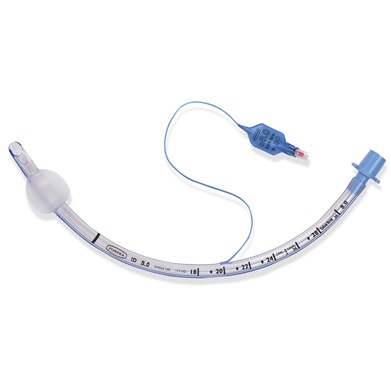
A tracheal tube is a catheter that is inserted into the trachea for the primary purpose of establishing and maintaining a patent airway and to ensure the adequate exchange of oxygen and carbon dioxide.
Features:
Thermo sensitive tube softens at body temperature to conform to the anatomy of the respiratory tract.
Kink resistant inflation tube ensures patient safety during cuff inflation and deflation.
Murphy eye has a polished smoothness ensuring atraumatic intubation and extubation.
Soft, high volume, low pressure cuff provides an air tight fit between tube and trachea. Radio opaque line.
Standard 15mm connector.
Conforms to F-29 standards.
Sterile individually packed in peelable blister pack.
Reliable Airway Management in HospitalsOur endotracheal tubes deliver dependable performance for critical airway support in hospitals. The design prioritizes both safety and comfort, making them suitable for a wide range of clinical interventions. Offered in new condition and crafted for optimal quality, these tubes meet the standards necessary for patient care in surgical and emergency environments.
Portability and Manual Operation for FlexibilityWith a portable and manual-friendly build, these endotracheal tubes can be quickly deployed wherever needed within a hospital, supporting both routine and emergency use. Their non-wall mounted nature means healthcare providers have the freedom and flexibility to manage airway needs promptly, even in fast-paced care settings.
FAQ's of Endotracheal Tubes:
Q: How are endotracheal tubes commonly used in hospitals?
A: Endotracheal tubes are primarily used in hospitals during surgeries, intensive care, or emergencies to secure and maintain a patient's airway and facilitate ventilation. Their manual operation and portability make them suitable for rapid deployment whenever airway support is needed.
Q: What makes your endotracheal tubes a good choice for medical professionals?
A: Our endotracheal tubes are manufactured in new condition with a focus on good quality, ensuring safe, effective airway management. Their portable design and manual use allow healthcare professionals to deliver optimal care in various clinical situations without being restricted to wall-mounted units.
Q: When should endotracheal tubes be used in a hospital setting?
A: Endotracheal tubes are indicated when a patient requires airway control-such as during general anesthesia, severe respiratory distress, or resuscitation efforts. They should be used whenever there is a need to ensure an open and secure airway in a hospital environment.
Q: Where can these endotracheal tubes be effectively deployed within a hospital?
A: Thanks to their non-wall mounted and portable design, these tubes can be used throughout the hospital, including in operating theatres, intensive care units, emergency rooms, and during patient transport.
Q: What is the process for using endotracheal tubes?
A: A trained medical professional will manually insert the endotracheal tube through the patient's mouth or nose into the trachea. The tube is then secured and connected to a ventilation device if necessary, allowing for reliable airway management.
Q: How does the portability of your endotracheal tubes benefit hospitals?
A: The portability allows medical teams to quickly respond to airway emergencies in different areas of the hospital, improving patient outcomes by reducing response time and increasing the flexibility of care.

 Send Inquiry



 Send Inquiry


 Send Inquiry


