
Call:
 Send Inquiry
Descriptions
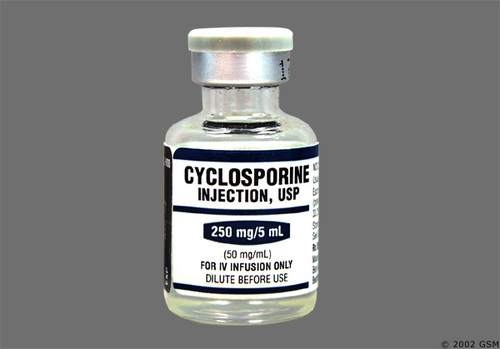
Cyclosporine injection is given together with a steroid medicine to prevent the body from rejecting a transplanted organ (e.g., kidney, liver, or heart). It belongs to a group of medicines known as immunosuppressive agents.
When a patient receives an organ transplant, the body's white blood cells will try to get rid of (reject) the transplanted organ. Cyclosporine works by suppressing the immune system to prevent the white blood cells from trying to get rid of the transplanted organ.
Cyclosporine is a very strong medicine. It can cause side effects that can be very serious, such as high blood pressure, kidney problems, or liver problems. It may also decrease the body's ability to fight infections. You and your doctor should talk about the benefits this medicine will do as well as the risks of using it.
This medicine is to be given only by or under the direct supervision of a doctor.

Price:
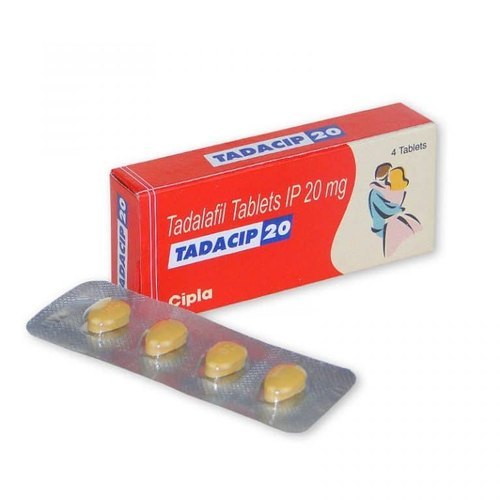
Price 5.0 USD ($) / Strip
Minimum Order Quantity : 1000 Strips, Strip
Storage Instructions : Store in a cool, dry place, away from direct sunlight
Physical Form : Tablets
Drug Type : Other, Allopathic
Dosage : As directed by physician
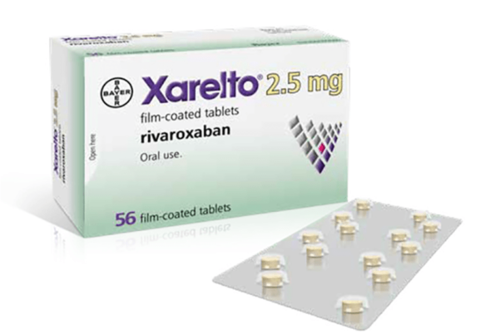
Minimum Order Quantity : 100 Boxes
Storage Instructions : Store in Cool & Dry Place
Physical Form : Tablets
Drug Type : Specific Drug
Dosage : As Directed By Physician
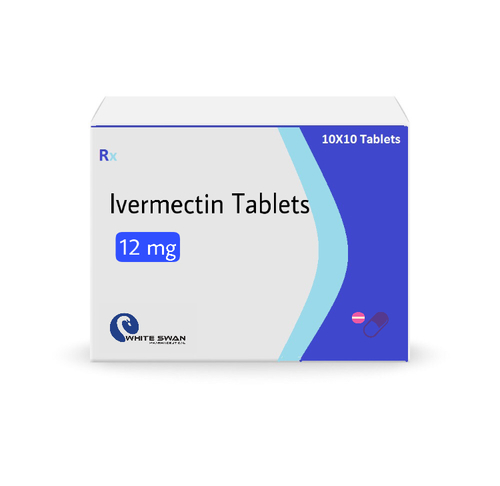
Price 13.5 USD ($) / Box
Minimum Order Quantity : 1000 Boxes
Storage Instructions : Store In a Cool & Dry Place
Physical Form : Tablets
Drug Type : General Medicines
Dosage : As Directed By Physician
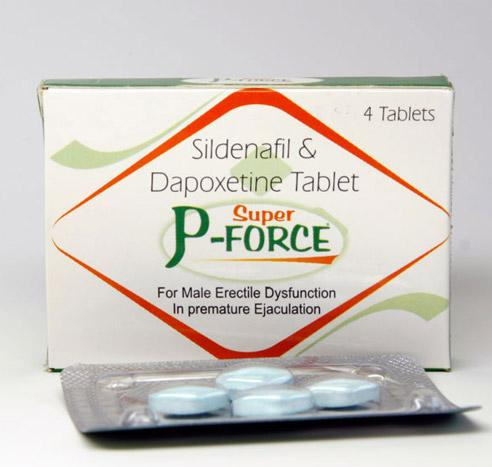
Price 0.15 USD ($) / Box
Minimum Order Quantity : 1000 Boxes
Storage Instructions : Store In a Cool & Dry Place
Physical Form : Tablets
Drug Type : General Medicines
Dosage : As Directed By Physician
GST : 24AULPA7626D2ZW


 Send Inquiry


 Send Inquiry


