Betaine Anhydrous About
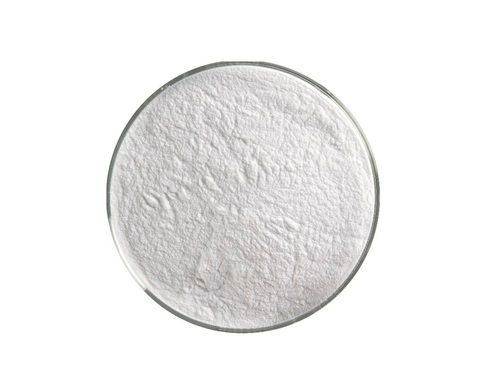
| Form | Powder |
| Brand | White Swan Pharmaceutical |
| Color | White |
| Formula | C5H11NO2 |
| Molar mass | 117.148 g/mol |
| Acidity | 1.84 pKa |
| Melting Point | 180
|
Betaine Anhydrous is a chemical that occurs naturally in the body, and can also be found in foods such as beets, spinach, cereals, seafood. Betaine anhydrous is a kind of nutritional additive of efficiency, high-quality and economic advantage and is widely used for animal and poultry breeding and aquiculture as well. Betaine anhydrous is also used for treating high blood homocysteine levels, liverdisease, depression, osteoarthritis, congestive heart failure (CHF), and obesity for boosting the immune system and for improving athletic performance. It is also used for preventing noncancerous tumors in the colon (colorectal adenomas).
Premium Feed-Grade QualityOur Betaine Anhydrous is formulated specifically for feed applications, ensuring a high standard of purity and efficacy. The powder form is designed for optimal dispersal when mixing, enhancing animal feed palatability and nutrition. Rigorously tested and compliant with relevant quality standards, this product ensures consistent results for livestock and poultry operations.
Versatile Solubility and Practical UsageBetaine Anhydrous dissolves readily in methanol (55 g/100 g solvent) and accepts ethanol dissolution (8.7 g/100 g) but is only sparingly soluble in ether. This solubility profile makes it versatile for feed formulations and easy to incorporate into a variety of animal rations. Its sweet flavor also improves feed acceptance among animals, contributing to better feeding outcomes.
FAQ's of Betaine Anhydrous:
Q: How is Betaine Anhydrous typically incorporated into animal feed?
A: Betaine Anhydrous is mixed directly into feed formulations as a nutritional additive. Its powder form and excellent solubility in methanol and ethanol allow for even distribution, enhancing the efficiency of animal nutrition plans.
Q: What benefits does Betaine Anhydrous provide in feed applications?
A: It acts as a methyl donor and osmolyte, supporting optimum animal growth and feed conversion efficiency. Its sweet taste improves feed palatability, encouraging higher intake among livestock and poultry.
Q: When should Betaine Anhydrous be added during the feed production process?
A: It is typically added during the final stages of feed mixing to prevent degradation and ensure maximum activity when the feed is consumed. This practice helps in maintaining its efficacy and nutritional benefits.
Q: Where should Betaine Anhydrous be stored to preserve its shelf life?
A: The product should be stored at room temperature in a cool, dry place, away from direct sunlight and moisture. Proper storage ensures it maintains its free-flowing, white crystalline appearance and extends shelf life up to 5 years.
Q: What is the recommended process for handling and measuring Betaine Anhydrous in a feed mill setting?
A: Operators should use calibrated weighing scales and wear protective equipment when handling the powder. It is essential to follow standard safety protocols for dust control and product integrity during measuring and mixing.
Q: What distinguishes this Betaine Anhydrous from other chemical additives?
A: This feed grade Betaine Anhydrous is characterized by a high purity level, sweet taste, and exceptional solubility profile. It is free-flowing, ensuring convenience in bulk handling, and is manufactured according to strict standards to guarantee reliability for animal feed industries.

 Send Inquiry




 Send Inquiry


 Send Inquiry


