Hydrocephalus Shunt System About
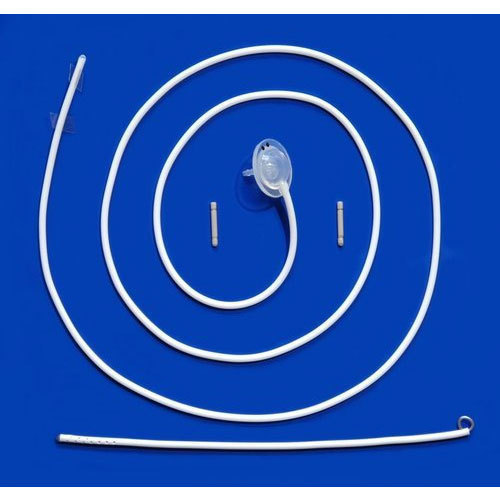
Hydrocephalus Shunt System contains following parts as per requirement:
- Valve, Valve with Reservior, Anti-Gravity Valve
- Distal Catheter, Ventricular Catheter
- Connector, Y-Connector, Right Angle Connector
- Cerebral Catheter Reservior
- Ventricular Catheter Passer
- Subcutaneous Catheter Passer
- Material Used: Medical Grade Polymer
- Packing: Poly Pack
Reliable Hydrocephalus ManagementThis shunt system employs a pressure-controlled valve for precise regulation of CSF drainage, reducing risks associated with over- or under-drainage. Its radiopaque strip enables easy monitoring through imaging techniques, and smooth, kink-resistant tubing maintains consistent fluid flow.
Versatile Application Across Age GroupsDesigned to accommodate neonates, pediatric, and adult patients, the system is available in a range of sizes. It is a versatile solution for neurosurgeons managing varying degrees of hydrocephalus in both acute and long-term situations.
Enhanced Safety and ConvenienceMRI compatibility up to 3 Tesla and latex-free composition ensure patient safety. The disposable, sterile, and waterproof design allows for straightforward surgical use with minimal risk of infection or complication.
FAQ's of Hydrocephalus Shunt System:
Q: How does the pressure-regulated valve in this hydrocephalus shunt system function?
A: The pressure-regulated (fixed-pressure) valve ensures that cerebrospinal fluid is diverted at a controlled rate, typically within the range of 20 to 50 mL/hr, depending on the model. This precise control helps maintain optimal intracranial pressure and reduces risks of over- or under-drainage.
Q: What patients are best suited for this shunt system?
A: This shunt is suitable for neonates, pediatric, and adult patients diagnosed with hydrocephalus who need controlled CSF diversion. Multiple sizes are available, allowing physicians to tailor treatment for individual needs.
Q: When should the hydrocephalus shunt system be used?
A: The system is intended for use during neurosurgical procedures aimed at managing hydrocephalus by diverting excess CSF from the brain to the peritoneal cavity. It is used both in initial treatments and in revisions or replacements when necessary.
Q: Where can this shunt system be utilized?
A: Designed for hospital and neurosurgical operating rooms, the shunt is supplied sterile and individually packed for immediate use by trained healthcare professionals in sterile environments.
Q: What is the process for installing the hydrocephalus shunt system?
A: A neurosurgeon implants the shunt system using a sterile technique, connecting the silicone tubing between the ventricular space in the brain and the peritoneal cavity. The standard Luer lock connectors ensure secure attachment, and the system's radiopaque strip assists with imaging verification during and after placement.
Q: What are the main benefits of using this shunt system?
A: Key benefits include controlled pressure regulation, MRI safety up to 3 Tesla, clear radiographic visualization, latex-free construction to reduce allergic reactions, and kink-resistant, anti-siphon design that minimizes complications.
Q: How is the hydrocephalus shunt system maintained and is it reusable?
A: The system is single-use (disposable) and does not require post-implant maintenance. It is supplied pre-sterilized for immediate use, and replacement is only needed if warranted by clinical indications, such as shunt malfunction or infection.

 Send Inquiry





 Send Inquiry


 Send Inquiry


